Back to news
Guide to food-safe and sustainable packaging
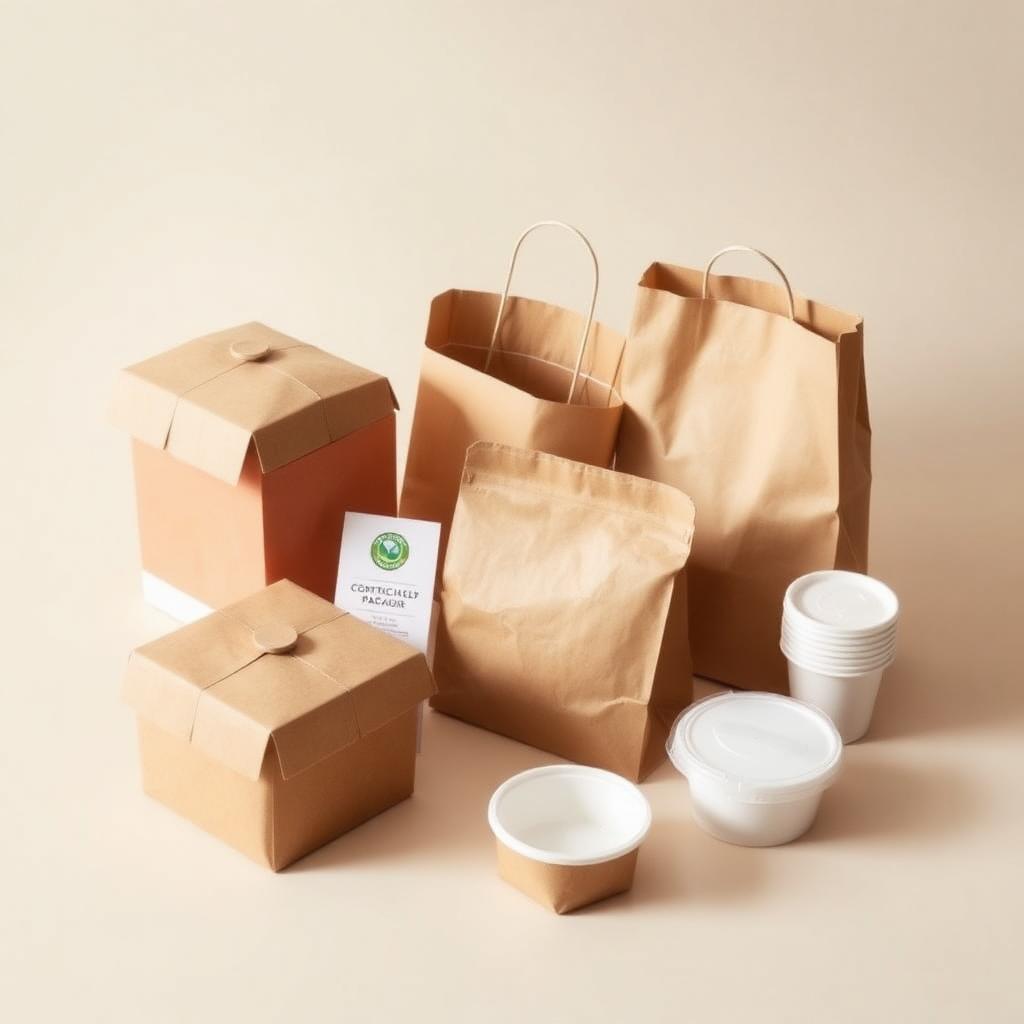
How to choose the right certified food packaging under EU and North Macedonia standards.
Choosing the right food packaging matters for every restaurant, bakery, caterer and food producer. This guide breaks down the most important food-safety and sustainability standards that apply to the EU and North Macedonian markets.
Food-safety standards that matter
Regulation (EC) 1935/2004 is the EU framework for food-contact materials — packaging must not transfer components into food in amounts that endanger health, change the food's composition, or affect taste and smell. Regulation (EU) 10/2011 specifically covers plastic materials and lists approved substances. For paper and board, BfR and Council of Europe recommendations apply. North Macedonian legislation is aligned via the Food and Veterinary Agency rulebooks.
Certifications worth looking for
BRCGS Packaging Materials and ISO 22000 show the manufacturer runs a documented food-safety management system. FSC and PEFC certify paper and board from responsibly managed forests. For compostable packaging, EN 13432 defines industrially compostable materials. For recycled plastic in food contact, look for an EFSA-approved recycling process.
Sustainable options by category
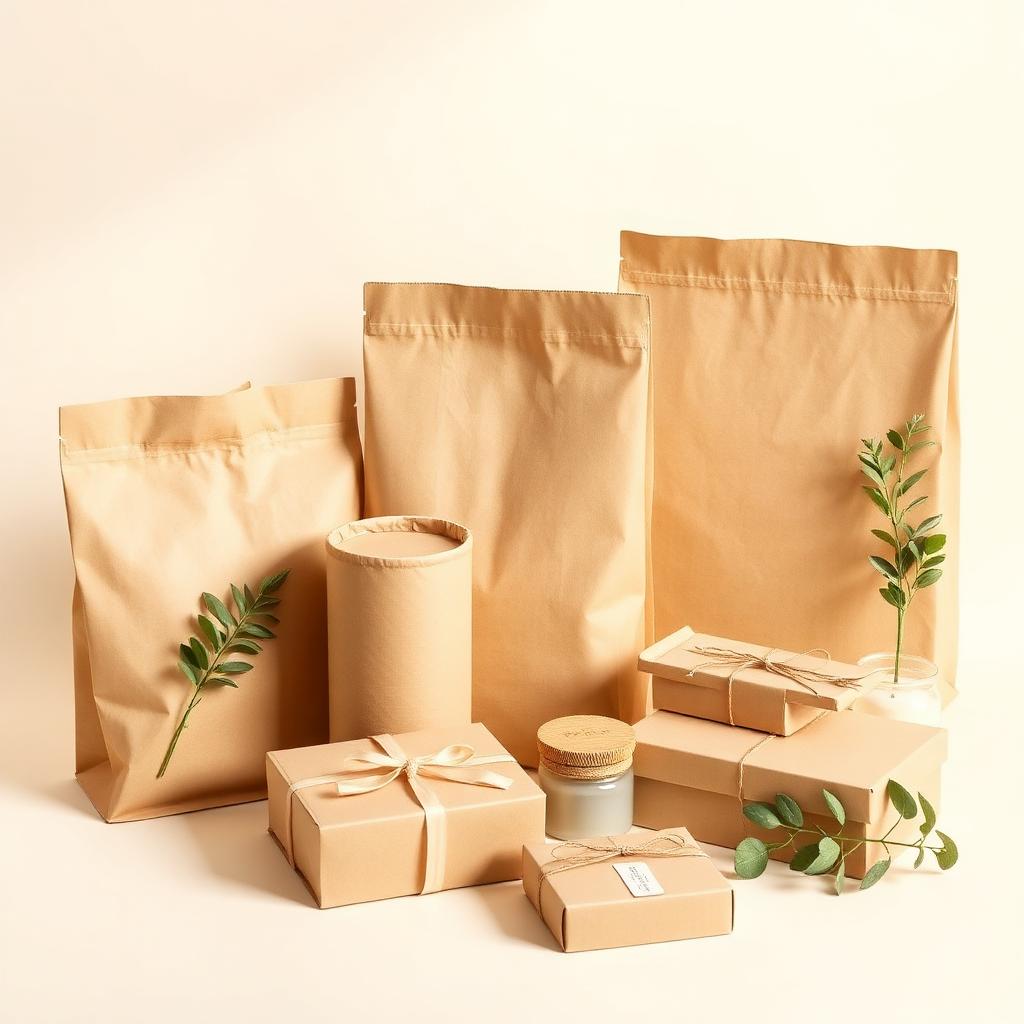
• Paper and board: takeaway boxes, wraps and bags from certified pulp, with water-based barrier coatings instead of PE.
• Compostable plastics: PLA cups, cutlery and films — suited for industrial composting.
• Recycled plastics (rPET): trays, pouches and vacuum films with certified recycled content.
• Aluminium: hot and cold food containers, fully recyclable.
How to choose
Start from the food type (fatty, acidic, hot, cold), contact temperature and duration, then ask suppliers for the technical data sheet and Declaration of Compliance. VIVAVAK only supplies packaging with full documentation, and we help clients balance safety, cost and sustainability for their specific business.